

This site is no longer active!
If you are the owner, you must reactive this site for it to be published again
or contact us at support@rebolthq.com

If you are the owner, you must reactive this site for it to be published again
Dark buildup on surfaces? Is it black mold or dust? Discover five key signs to differentiate and ensure your home's safety with Clear Coast Restoration.
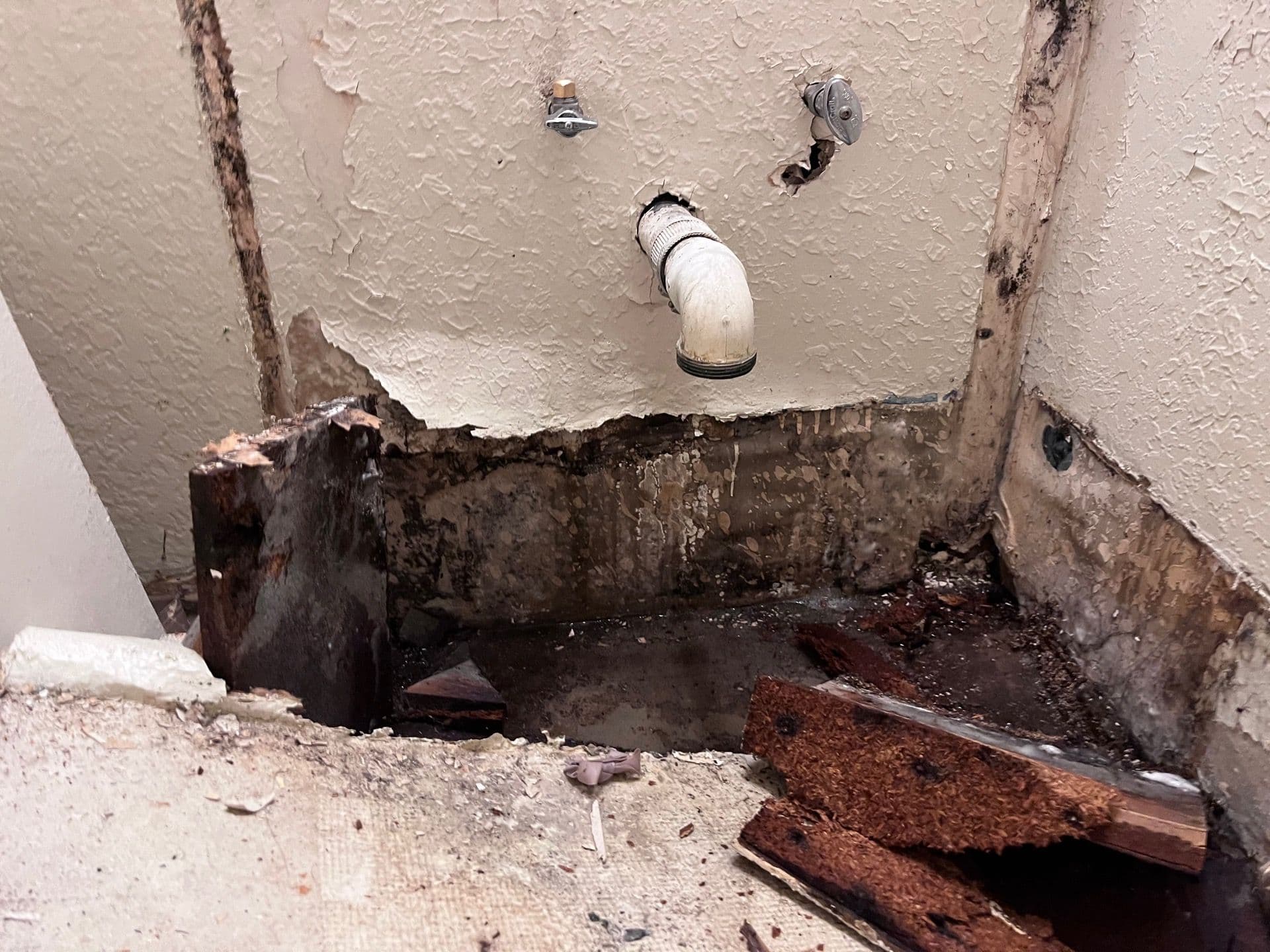
Dark buildup on walls, vents, or ceilings can be alarming. Many homeowners ask the same question:
Is it black mold or just dust?
While they may look similar at first glance, mold and dust are very different—and confusing the two can put your health and property at risk. At Clear Coast Restoration, we help homeowners correctly identify and safely address mold issues before they spread.
Here are five clear ways to tell the difference between black mold and dust.
One of the earliest and most reliable signs of mold is odor.
Black mold produces a strong, damp, musty smell that worsens over time. Many people describe it as the odor of a wet basement or rotting wood. This smell comes from microbial volatile organic compounds (mVOCs) released as mold grows.
Dust typically has little to no smell. If it does smell, it’s usually mild and earthy, depending on what particles make up the dust (fabric fibers, dirt, skin cells, etc.).
Strong musty odor = possible mold problem.
Despite its name, black mold (commonly Stachybotrys chartarum) usually appears greenish-black and may look shiny or slimy when wet. As it dries, it can appear powdery—but it often looks uneven or blotchy.
Dust doesn’t have a fixed color. It’s often light gray, tan, or brown and looks uniform and dry.
Uneven dark patches that grow over time are a red flag.
Mold sticks to surfaces because it grows into them. If you try to wipe it away, it may smear, resist removal, or come back quickly.
Dust sits loosely on surfaces and wipes away easily with a cloth or vacuum.
If it doesn’t wipe off easily, don’t ignore it.
Mold thrives in moist, low-ventilation areas, including:
Bathrooms
Under sinks
Kitchens
Basements
Around windows
HVAC vents
Dust can settle anywhere—dry or humid, bright or dark.
If buildup appears mainly in damp areas, mold is more likely.
You can perform a simple visual test:
Dab a small amount of bleach on the dark area with a cotton swab
Wait a few minutes
Observe the reaction
Lightens or changes color → likely mold
No reaction → likely dust
⚠️ Important: Bleach does not remove mold at the root. Scrubbing mold can release spores into the air, making the problem worse.
Both dust and mold can irritate allergies, but mold poses a far greater risk:
Releases spores into the air
Produces toxins that may cause headaches, respiratory issues, and fatigue
Can spread behind walls and under flooring
Weakens building materials over time
If mold is present, professional remediation is critical.
Here are expert-recommended steps to reduce risk:
Control indoor humidity with dehumidifiers
Fix leaks immediately
Use proper ventilation in bathrooms and kitchens
Replace HVAC filters regularly
Clean surfaces routinely with safe, non-toxic cleaners
Avoid storing items in damp areas
Prevention helps—but it doesn’t eliminate hidden mold.
If you notice:
Persistent musty odors
Dark growth spreading over time
Mold in vents, walls, or ceilings
Health symptoms without explanation
It’s time to bring in professionals.
Clear Coast Restoration specializes in:
Mold inspection and testing
Safe mold removal
Water damage restoration
Moisture control solutions
We identify the source, remove the problem safely, and help prevent it from coming back.
Don’t guess. Mold spreads fast—and improper cleaning can make it worse.
📞 Contact Clear Coast Restoration today for a professional inspection and peace of mind.